FreeSoft Labs Open-source tools, tested in the lab.

FreeSoft Labs

Open-source tools, tested in the lab.

Latest Articles

Cost Analysis

The Scanner Was $25; the First 60 Days Cost $955: Three Free Document Vaults, Tested

A $25 thrift-store Fujitsu ScanSnap met Paperless-ngx, Docspell, and Mayan EDMS in a 10-person Dayton office for 60 days. We tracked OCR accuracy, search, storage, backups, and the labor bill. The scanner was cheap; the first 60 days were not.
The Cheap Part Was the Computer: A 45-Day Trial of Three Free CRMs
Cost Analysis

The Cheap Part Was the Computer: A 45-Day Trial of Three Free CRMs

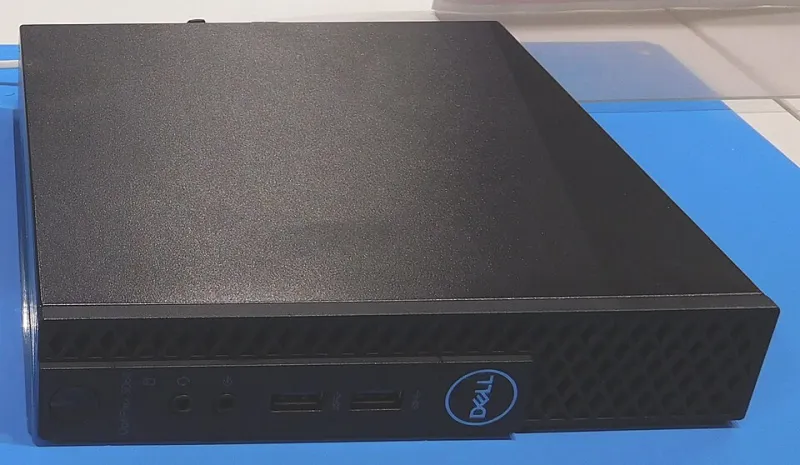
A $65 secondhand OptiPlex handled three open-source CRMs without breaking a sweat. The real bill showed up in duplicate cleanup, email logging, backups, and the admin hours nobody puts on a pricing page. Here is what 45 days of simulated US sales pipeline work actually cost a two-person shop.

What 60 Nights of SMB Backups Taught Us About a $70 Secondhand NAS
Lab Benchmarks

What 60 Nights of SMB Backups Taught Us About a $70 Secondhand NAS

We grabbed a $70 off-lease office PC from a US thrift store, stuffed it with two mismatched drives, and let OpenMediaVault handle nightly SMB backups for a five-person shop. Sixty days later, we have real throughput numbers, a power bill, SMART warnings, and a clear answer on when cheap hardware stops being a bargain.

Fifty Contracts, Three Free E-Sign Servers, and a $60 Dell: The 30-Day Invoice
Cost Analysis

Fifty Contracts, Three Free E-Sign Servers, and a $60 Dell: The 30-Day Invoice

A secondhand OptiPlex, fifty real documents, and three open-source signing platforms. We tracked setup minutes, mobile-signing friction, audit trails, and the sneaky cost of transactional email — then added up what replacing a subscription e-sign service actually saves a small US shop.

One Tiny Pi, Five Screaming Devices: 30 Days of Free DNS Filtering on a $35 Raspberry Pi Zero 2 W
Lab Benchmarks

One Tiny Pi, Five Screaming Devices: 30 Days of Free DNS Filtering on a $35 Raspberry Pi Zero 2 W

We handed our household's DNS to a Raspberry Pi Zero 2 W and cycled through Pi-hole, AdGuard Home, and Blocky for a month. The block rates were the least interesting number — the real test was a 10 p.m. school portal login and a package that needed tracking.

The 500-Page Office Test: Three Free Wikis on a $60 Secondhand Mini PC
Lab Benchmarks

The 500-Page Office Test: Three Free Wikis on a $60 Secondhand Mini PC

We gave a ten-person team one $60 secondhand mini PC and 30 days to run a 500-page internal documentation project on BookStack, Wiki.js, and Outline. Search speed was the easy part; permissions, backups, and the real monthly bill were where the free knowledge-base dream got interesting.

Twenty 'Can You See My Screen?' Calls Later: Three Free Remote-Support Stacks on a $99 Mini PC
Lab Benchmarks

Twenty 'Can You See My Screen?' Calls Later: Three Free Remote-Support Stacks on a $99 Mini PC

We loaded RustDesk, MeshCentral, and Apache Guacamole onto one off-lease mini PC and ran them through 20 real support calls with real, impatient humans. Here's where each one tripped, where each one shined, and what the whole experiment cost us.

The 200-Device Closet Test: Two Free Asset Trackers, One Cheap Dell, and 45 Days of Sticky Labels
Lab Benchmarks

The 200-Device Closet Test: Two Free Asset Trackers, One Cheap Dell, and 45 Days of Sticky Labels

We put Snipe-IT and GLPI on a used $65 Dell Micro and pointed both at the same 200-device IT closet for 45 days. The winner was not the one with the prettier dashboard—it was the one that survived barcode labels, warranty alerts, and a weekly backup check.

We Ran Three Free Network Monitors on a $45 Raspberry Pi and Lied to Them for a Week
Lab Benchmarks

We Ran Three Free Network Monitors on a $45 Raspberry Pi and Lied to Them for a Week

Zabbix, LibreNMS, and Uptime Kuma all fit on a $45 Raspberry Pi—but only one survived our seven-day fake-outage drill without turning into a notification firehose. Here is the setup time, alert counts, and real cost breakdown.

Two Self-Hosted Password Vaults, One $60 Wyse Box, and a Dozen People Who Hate New Software
Cost Analysis

Two Self-Hosted Password Vaults, One $60 Wyse Box, and a Dozen People Who Hate New Software

We loaded Vaultwarden and Passbolt onto a single used thin client and let twelve real coworkers hammer both for 60 days. Setup was the easy part — the invoice that actually stung was the labor hidden behind onboarding, recovery, and one very bad Tuesday with the admin account.

FreePBX on a $95 OptiPlex: What a 30-Day Telecom Bill Looks Like With Three SIP Trunks
Cost Analysis

FreePBX on a $95 OptiPlex: What a 30-Day Telecom Bill Looks Like With Three SIP Trunks

A twelve-person US office was quoted $22 a seat per month for hosted VoIP. We swapped in FreePBX on a recycled Dell, ran three SIP trunk providers against the same call load for a month, and tracked every dollar and every hour. The software was free; the surprises were compliance, failover, and a fax machine nobody mentioned.

Mailcow After Week One: The Real Bill for Self-Hosted Email at a 10-Person Shop
Cost Analysis

Mailcow After Week One: The Real Bill for Self-Hosted Email at a 10-Person Shop

We moved a 10-person US shop off Google Workspace and onto Mailcow on a $12 VPS, then tracked the costs that never show up on the invoice. Here is what 60 days of deliverability, spam tuning, backups, and admin time actually looked like.

Three Free Security Stacks, One $99 Mini PC, and a Fake Ransomware Drill
Lab Benchmarks

Three Free Security Stacks, One $99 Mini PC, and a Fake Ransomware Drill

We ran safe ransomware-like scripts against a $99 mini PC protected by Wazuh, Velociraptor, and CrowdSec, then compared detection, noise, CPU, RAM, setup time, and response workflow. The winner for a small IT shop was not the one with the most alerts.

The One-Person LLC With No Subscriptions: 60 Days on a Fully Open-Source Back Office
Cost Analysis

The One-Person LLC With No Subscriptions: 60 Days on a Fully Open-Source Back Office

Invoicing, bookkeeping, CRM, and file storage for a solo US business, all running on one mini PC for 60 days. We tracked setup hours, tax-season friction, backup failures, and the real break-even against a $30-a-month SaaS stack.

We Turned Three $20 Thrift-Store Desktops Into a Proxmox Cluster and Ran It for 90 Days
Lab Benchmarks

We Turned Three $20 Thrift-Store Desktops Into a Proxmox Cluster and Ran It for 90 Days

Three obsolete office PCs, sixty bucks, and a copy of Proxmox VE. We ran a real home-lab workload on e-waste for 90 days, logged every watt and every failure, and found the exact moment cheap hardware stops being a bargain.

Linux Mint for a Week: The Invoice Nobody Shows You
Cost Analysis

Linux Mint for a Week: The Invoice Nobody Shows You

A three-person office spent five working days on Linux Mint, and we logged every support ticket and hidden cost. The software was free; the labor bill was not.

Cheap Router, OpenWrt, and a Mesh Kit Walk Into a Lab
Lab Benchmarks

Cheap Router, OpenWrt, and a Mesh Kit Walk Into a Lab

We spent 30 days comparing a $40 router running OpenWrt with a $199 three-node mesh kit in a busy home office. The cheap box lost the coverage contest, won the bufferbloat fight, and forced us to put a dollar value on setup time.

A $6 VPS Can Host Your 2026 Help Desk: We Tested Three Free Options
Lab Benchmarks

A $6 VPS Can Host Your 2026 Help Desk: We Tested Three Free Options

We installed osTicket, Zammad, and UVdesk on the same $6/month VPS and ran the same ticket scenarios for a week each. Setup time, email ingestion, routing, SLA tracking, upgrades, and one messy recovery later, here is the pick for US small shops.

My $75 Thin Client Ran My Home-Office Firewall for 90 Days: An OPNsense Diary
Cost Analysis

My $75 Thin Client Ran My Home-Office Firewall for 90 Days: An OPNsense Diary

I replaced a consumer router with a $75 surplus thin client running OPNsense and tracked 90 days of real work-from-home traffic, video calls, VPN sessions, and power draw. The cheap firewall wins more often than I expected, but it also has a few time traps worth knowing before you buy.

Five Local AI Runners, One $250 Mini PC: What Actually Survived Our Benchmarks
Lab Benchmarks

Five Local AI Runners, One $250 Mini PC: What Actually Survived Our Benchmarks

We stuffed llama.cpp, Ollama, LocalAI, Jan, and GPT4All onto a $239 Intel N100 mini PC and measured tokens per second, RAM ceilings, and setup pain. Two of them are worth your time on this hardware — the rest depend entirely on what you're building.